
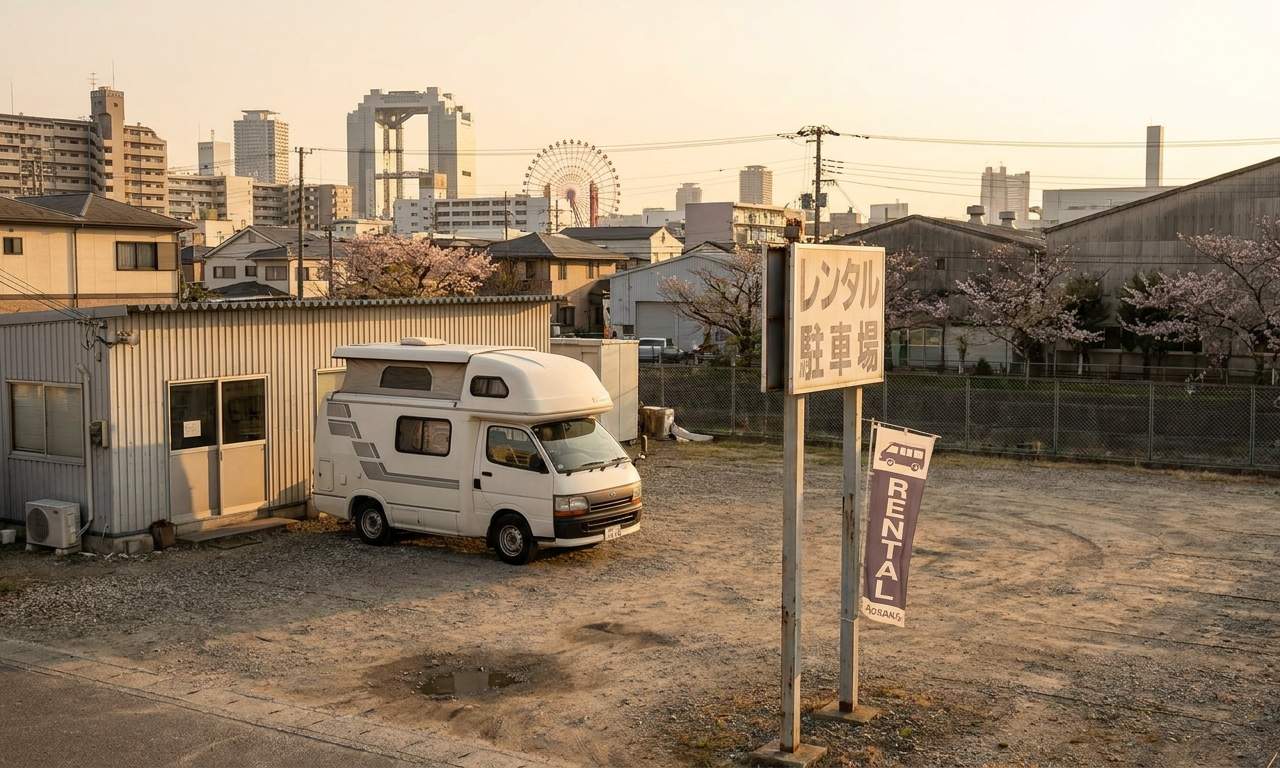
For live availability and current prices, start with our RV Rental Osaka - Complete Guide 2026 guide.
In This Guide
- Where to Camp in Osaka — Top Options
- Campground Types in Osaka (National, Private, Wild)
- Featured RV Park or Campground in Osaka
- Hookups & Amenities — What to Expect
- Booking Windows & Reservations in Osaka
- Nearby Supermarkets & Resupply Points
- Best RV Class for Camping in Osaka
- How to Save on Campgrounds in Osaka
- How much does it cost to rent an RV long-term in Osaka?
- Can you park overnight in an RV in Japan?
- What are Michi-no-Eki and RV Parks in Japan?
- What are the driving rules for RVs in Japan?
- How to navigate tolls and narrow roads with an RV in Osaka?
- What is RV etiquette in Japan?
- What are the best RV routes and itineraries from Osaka?
- Where can I find RV services and parts in Japan?
- What is the best time of year for RV travel in Osaka?
Where to Camp in Osaka — Top Options
While central Osaka itself has limited dedicated RV campgrounds, venturing slightly outside the city into areas like Nose or Kawachinagano reveals excellent options. These campgrounds are often integrated with natural parks or feature dedicated RV facilities, providing a peaceful retreat. For instance, consider the Nose Myoken no Mori Camp Resort or the Kawachinagano Forest RV Site (illustrative examples) for a balanced experience of nature and accessibility. Many popular RV-friendly spots are within a reasonable driving distance from Osaka's vibrant city center, crucially offering convenient public transport links for exploring urban attractions without your RV. The key is to look for sites that expertly balance serene natural settings with proximity to essential services and the cultural highlights you've come to experience.
Campground Types in Osaka (National, Private, Wild)
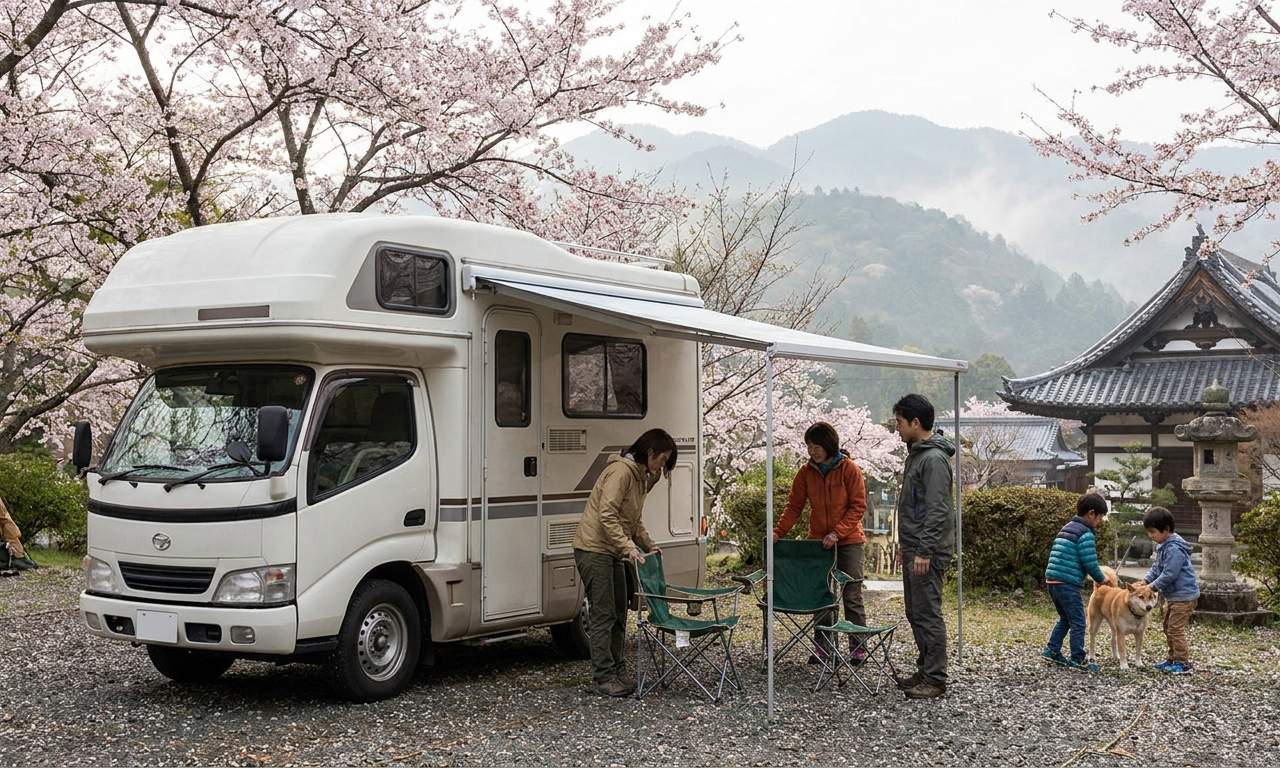
In Osaka and throughout Japan, RVers primarily encounter two main types of camping: private campgrounds, which typically offer a comprehensive suite of amenities, and government-run sites, often found within national or prefectural parks. Wild camping, or "boondocking," is generally discouraged and often prohibited across the country. Private campgrounds usually boast a wider range of facilities, including full hookups, private showers, and laundry services, usually at a higher price point. Conversely, national or prefectural park campgrounds tend to provide a more rustic experience with basic facilities, emphasizing natural beauty and offering lower costs. Japan has also been developing a growing system of 'RV Parks' and 'Michi-no-Eki' (road stations) that provide legitimate, safe overnight parking options, distinguishing them clearly from the discouraged practice of wild camping.
Featured RV Park or Campground in Osaka
When selecting an RV park near Osaka for a long-term stay, it’s crucial to look for facilities that offer a desirable balance of essential hookups, convenient access to urban centers via public transport, and a peaceful natural setting. Prioritize parks that provide stable electricity (typically 100V in Japan), readily available fresh water access, and conveniently located dump stations, which are vital for extended stays. Evaluating the park’s location is key; its proximity to public transportation systems will allow you to effortlessly explore Osaka's city attractions without the hassle of navigating your RV through congested urban areas. Finally, check for amenities such as clean restrooms, hot showers, and laundry facilities, as these significantly enhance comfort during longer camping periods. On the routes offered through RV PLANET routes, you can itemize and track every expense along the way for easy budgeting.
Hookups & Amenities — What to Expect
Most established RV campgrounds in Japan, particularly those around Osaka, are well-equipped to provide essential hookups. You can expect electricity, typically standardized at 100V with Type A/B outlets, making sure your appliances are compatible or that you have the necessary converters and adapters. Fresh water hookups are commonly available, and dedicated dump stations for both gray and black water are usually on-site. Prepare for shared facilities for restrooms and showers, which are consistently well-maintained, and laundry facilities are also a common amenity, proving invaluable for long-term travelers. Wi-Fi availability, however, can vary significantly between campgrounds, so it's always wise to confirm beforehand if reliable internet access is a crucial requirement for your long-term stay.
Booking Windows & Reservations in Osaka
For long-term RV rentals in Osaka, securing your campground spots well in advance is highly recommended, especially during peak seasons and national holidays. While spontaneous travelers can often find availability by calling ahead, popular camping periods like cherry blossom season (spring), autumn foliage viewing, and national holidays (such as Golden Week) demand reservations months in advance. It's important to note that many national park campgrounds only release a portion of their spots for reservations, with the remainder often allocated on a first-come, first-served basis, making early arrival a key strategy. If you prefer a more spontaneous travel style, calling ahead to confirm availability before driving to a specific campground is always a wise practice. Rest assured, even without a reservation, you will almost certainly find a place to stay – if not at your first choice, then at the next one, ensuring you always have an overnight spot.
Nearby Supermarkets & Resupply Points
Resupplying for a long-term RV trip originating from Osaka is remarkably convenient, with major supermarket chains like Aeon, Ito-Yokado, and Life offering extensive selections of groceries and essential items. These large chains are easily accessible from most camping areas and provide a wide array of food, drinks, and household goods suitable for stocking your RV for extended periods. For quick top-ups and everyday necessities, numerous convenience stores, such as 7-Eleven, FamilyMart, and Lawson, are ubiquitous across Japan, found on almost every corner. Don't overlook the opportunity to visit local markets; these offer a delightful cultural experience and the chance to find fresh, seasonal produce and unique regional specialties.
Best RV Class for Camping in Osaka
When planning your RV camping adventure around Osaka, a Class B Camper Van or a Class SI Semi-integrated RV often proves to be the ideal choice. This recommendation stems from Japan's generally narrower roads and more compact parking spaces, offering a superior balance of maneuverability and living comfort. For example, Class B Camper Vans, with Bandana's fleet averaging around 5.8 meters in length and sleeping up to 3.2 adults, are highly maneuverable, making them excellent for navigating tighter urban streets and finding parking. Class SI Semi-integrated RVs, typically averaging 6.9 meters and sleeping around 3.8 adults, offer more living space and amenities while still remaining manageable on Japanese roads compared to larger units. While Class C Alcove RVs, averaging 7.5 meters and sleeping up to 5.8 adults, provide ample space for families, their larger dimensions can present challenges in certain areas with tight turns or height restrictions. Larger Class A Integrated and Truck Campers, with their more substantial footprints, may find navigation and parking significantly more difficult in many parts of Japan, especially when venturing outside of designated RV parks.
How to Save on Campgrounds in Osaka
Renting a motorhome through Bandana Caravan offers various ways to save, including accessing campground discount cards, which can be a primary method to reduce costs for long-term RV stays in Osaka and significantly cut down expenses for extended trips. Traveling during the shoulder seasons, typically late spring and early autumn, usually means lower campground rates and fewer crowds, offering a more relaxed experience compared to peak periods. Opting for municipal or regional campgrounds over private resorts is also a sound strategy, as they often provide more basic facilities at a considerably lower cost. When booking, don't hesitate to inquire about weekly or monthly rates, as many campgrounds offer substantial discounts for stays of three or more nights. If you happen to be traveling with another RV, consider the possibility of sharing hookups or splitting sites (where permitted) to further reduce individual costs.
How much does it cost to rent an RV long-term in Osaka?
The total cost of a long-term RV rental in Osaka encompasses not only the rental fee but also significant expenses such as fuel, tolls, campground fees, insurance, and daily provisions, all of which should be meticulously budgeted for comprehensive financial planning. Long-term rental rates are typically lower on a per-day basis compared to short-term rentals, so always inquire about weekly or monthly packages. Fuel costs represent a major factor; for instance, Bandana's Class SI RVs typically consume around 10–11 Liters/100 km, while Class C RVs consume about 10–12 Liters/100 km. Toll road fees in Japan can be substantial, so using an ETC (Electronic Toll Collection) card is highly recommended, as it can offer slight discounts and significantly simplifies the payment process. Remember to budget for campground or RV park fees, which generally range from ¥2,000 to ¥5,000+ per night depending on the facilities and location, in addition to your daily food and provision expenses.
Can you park overnight in an RV in Japan?
While wild camping is generally prohibited and culturally discouraged in Japan, legitimate options for overnight RV parking are readily available. These include dedicated 'RV Parks,' 'Michi-no-Eki' (road stations), and official campgrounds. Wild camping, also known as boondocking, is largely illegal or culturally discouraged in Japan and can unfortunately lead to fines or negative interactions with locals. Michi-no-Eki serve as crucial rest points for drivers, often featuring clean restrooms, local shops, restaurants, and essential information, making them convenient for a respectful overnight stay (though setting up camp is usually not permitted). Dedicated RV Parks, on the other hand, are commercial facilities specifically designed for RVs, offering designated parking spots, and sometimes including electrical hookups, fresh water, and waste disposal points. Official campgrounds remain the best option for a traditional camping experience, complete with full amenities and designated spaces for RVs.
What are Michi-no-Eki and RV Parks in Japan?
Michi-no-Eki are government-designated roadside stations found across Japan. They offer essential facilities like restrooms, local produce shops, and tourist information, typically serving as resting places. Dedicated RV Parks, however, are commercial facilities specifically designed for recreational vehicles, providing paid, secure overnight parking that often includes amenities such as electrical hookups and waste disposal points. Both systems are invaluable resources for long-term RV travelers in Japan, offering safe and legitimate alternatives to wild camping, which is generally not permitted. RV travelers will find these parks and stations crucial for planning their journeys and ensuring legal, comfortable overnight stays.
What are the driving rules for RVs in Japan?
Driving an RV in Japan requires strict adherence to specific rules, including navigating on the left side of the road, understanding unique road signage, and being prepared for narrower streets and toll systems, often necessitating an International Driving Permit. An International Driving Permit (IDP) is essential for foreign drivers and must be obtained in your home country before your arrival. Remember that Japan drives on the left side of the road, and steering wheels are positioned on the right, which may require a period of adjustment for drivers accustomed to right-hand drive vehicles. It’s also important to familiarize yourself with Japanese road signs, which include both international symbols and unique local ones, particularly those indicating tolls, vehicle restrictions, and parking rules. Speed limits in Japan are generally lower than in many Western countries (e.g., 100 km/h on expressways, and 40-60 km/h on main roads), and strict enforcement is common, so always drive responsibly.
How to navigate tolls and narrow roads with an RV in Osaka?
Navigating Japan's toll roads with an RV is most efficient when using an ETC (Electronic Toll Collection) card, while successful navigation of Osaka's intricate urban streets requires careful route planning and a keen awareness of your RV's dimensions. Acquiring an ETC card is highly recommended to streamline toll payments and potentially save money on expressway fees, as paying with cash at toll booths can be cumbersome and sometimes more expensive. Before you set off, always confirm your RV's height, width, and length specifications, as some tunnels, parking garages, and older urban areas in Osaka may have specific vehicle restrictions. Utilize GPS systems that offer RV-specific routing features or reliable offline maps to identify wider roads and avoid exceptionally narrow or restricted streets within city centers. A practical tip for exploring Osaka is to consider parking your RV at an outlying train station and then utilizing Osaka's incredibly efficient public transport system for city exploration, thus avoiding the common challenges of urban RV driving and parking.
What is RV etiquette in Japan?
Respecting local customs and maintaining a low profile are paramount for RVers in Japan. This emphasis on considerate behavior includes operating quietly, properly disposing of waste, and parking mindfully to integrate respectfully into communities. Always observe quiet hours at campgrounds and Michi-no-Eki, ensuring minimal noise, especially during the evening and early morning to avoid disturbing residents. Proper waste disposal is crucial; utilize designated dump stations for gray and black water, and diligently sort your trash according to Japan's strict recycling rules. Park your RV considerately, avoiding residential areas or blocking scenic views, and crucially, never set up camping gear (such as chairs, tables, or awnings) outside your RV in public spaces like Michi-no-Eki. Engaging with locals politely, perhaps with a simple bow or a "arigatou gozaimasu" (thank you very much), can significantly foster positive interactions and enrich your travel experience.
What are the best RV routes and itineraries from Osaka?
From Osaka, RV-optimized itineraries often lead travelers to explore the Kansai region's rich cultural sites and stunning natural beauty, including popular destinations like Kyoto, Nara, and Wakayama. These itineraries typically focus on scenic routes that are suitable for larger vehicles, often cleverly combining RV travel with public transport for efficient city exploration. For instance, explore the historical cities of Kyoto and Nara by utilizing park-and-ride options on the city outskirts, allowing you to access temples and shrines without navigating your RV through congested areas. Drive the scenic coastal routes of Wakayama Prefecture, visiting attractions like Nachi Falls and the Kumano Kodo pilgrimage sites, which often have designated RV-friendly parking near major attractions. Consider a journey through the Ise-Shima National Park in Mie Prefecture for breathtaking coastal views and access to the sacred Ise Grand Shrine, where RV parking is frequently available at designated lots. When planning, prioritize routes that utilize expressways for long-distance travel and well-maintained prefectural roads, consciously avoiding small, unpaved, or extremely winding mountain passes with a larger vehicle.
Where can I find RV services and parts in Japan?
Locating specific RV services, parts, or propane refills in Japan might require some diligent planning, as larger auto service centers and specialized RV shops are your primary resources, though English support can often be limited. For general vehicle maintenance and tire needs, major auto service chains like Autobacs and Yellow Hat are widespread and can assist with many common issues, although specialized RV repairs might be less common. Dedicated RV dealers and service centers, while fewer in number compared to some Western countries, are gradually growing, particularly around major cities like Osaka; a quick online search for 'キャンピングカー サービス' (camping car service) can help pinpoint available options. Propane refills are less common and often require visiting specific gas stations or propane distributors; it's advisable to clarify the local procedure and availability when you pick up your rental RV. It's also wise to ensure your rental agreement includes comprehensive roadside assistance, and be prepared to utilize translation apps for communication if English-speaking services are unavailable.
What is the best time of year for RV travel in Osaka?
The ideal time for RV travel in Osaka and the wider Kansai region is undoubtedly during the spring (March-May) and autumn (September-November). These seasons offer pleasant weather conditions, showcase vibrant scenery, and present fewer extreme weather challenges, making them perfect for road trips. Spring brings mild temperatures and the breathtaking beauty of cherry blossoms, though it's a popular time that can lead to crowds. Autumn boasts comfortable temperatures, clear skies, and spectacular fall foliage, providing excellent conditions for outdoor activities and scenic drives. Summer (June-August) can be challenging due to high heat, humidity, and the peak of typhoon season, which can result in heavy rains and potential travel disruptions. Winter (December-February) can be cold, with snow often gracing mountainous areas, requiring proper RV winterization and caution on icy roads, although urban Osaka rarely experiences heavy snowfall.
Final Thoughts
Embarking on an RV adventure in Osaka offers a unique perspective on Japan's captivating blend of tradition and modernity. With the right planning and the ideal vehicle, your long-term rental experience promises not just travel, but immersion into the local culture and landscapes.
We’re here to support you every step of the way, from comparing final rental prices across numerous suppliers to ensuring you find a motorhome that fits your needs. Remember, the freedom of the open road is calling, and Osaka awaits!
Find Motorhome Rentals in Osaka