
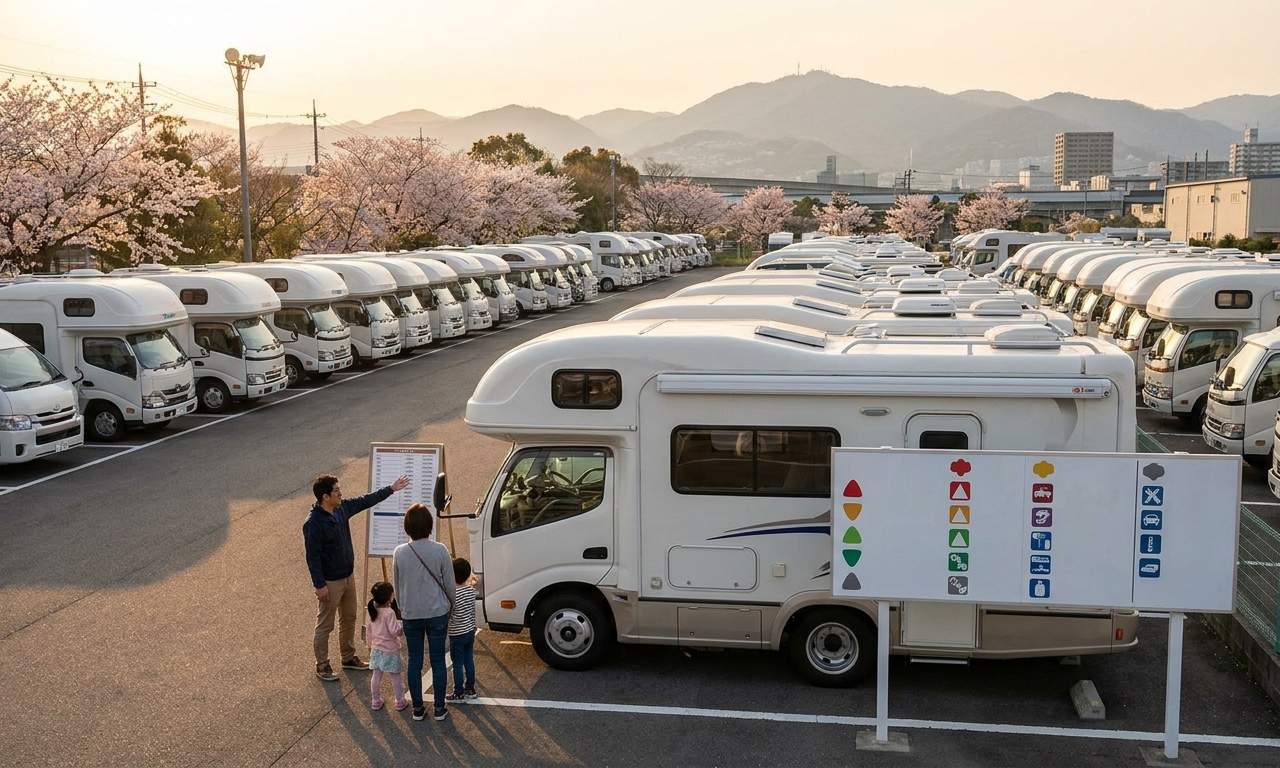
For live availability and current prices, start with our RV Rental Osaka - Complete Guide 2026 guide.
In This Guide
- The 5 RV Families Compared for Osaka
- Class A (Integrated) - Best For
- Price Comparison by RV Class in Osaka
- Class SI (Semi-Integrated) - Best For
- Class C (Alcove) - Best For
- Class B (Campervan) - Best For
- Class TC (Truck Camper) - Best For
- Side-by-Side Comparison Table
- Our Recommendation for last minute rv rental Travelers in Osaka
- Specific, actionable RV parking solutions within Osaka city (beyond just campgrounds outside the city), including day parking for attractions and potential overnight spots.
- Detailed guidance on 'free camping' vs. 'Michi-no-Eki' (roadside stations) regulations and etiquette specific to the Osaka region, clarifying legal and cultural norms for sleeping in an RV.
- Comprehensive cost breakdown for RV travel in Osaka, covering tolls (e.g., Hanshin Expressway specifics), fuel, specific parking fees, and campground costs.
- Practical advice for navigating Osaka's urban environment with an RV, including tips for narrow streets, heavy traffic, and avoiding specific restricted areas.
- RV-specific itineraries for visiting Osaka's major attractions, outlining where to park the RV and how to best utilize public transport to explore the city center.
- Logistical information for RVers in Osaka: where to find dump stations, fresh water refill points, and propane exchange/refill stations.
- Cultural etiquette for RV travelers in Japan, focusing on respectful conduct at campgrounds, Michi-no-Eki, and local communities.
- Best times to visit Osaka by RV, considering weather, major events, and crowd levels.
The 5 RV Families Compared for Osaka
RV choice significantly impacts navigation through Osaka's unique urban and suburban landscapes, making a comparison of different vehicle types crucial. Last-minute rentals in Osaka often mean selecting from available options, so an understanding of each RV type is essential for a smooth trip. When planning your adventure, consider factors like trip length, group size, and your desired comfort level. For live availability and current prices, start with our RV Rental Osaka - Complete Guide 2024 guide. With Bandana, you get full transparency on every booking, ensuring no hidden fees or surprises.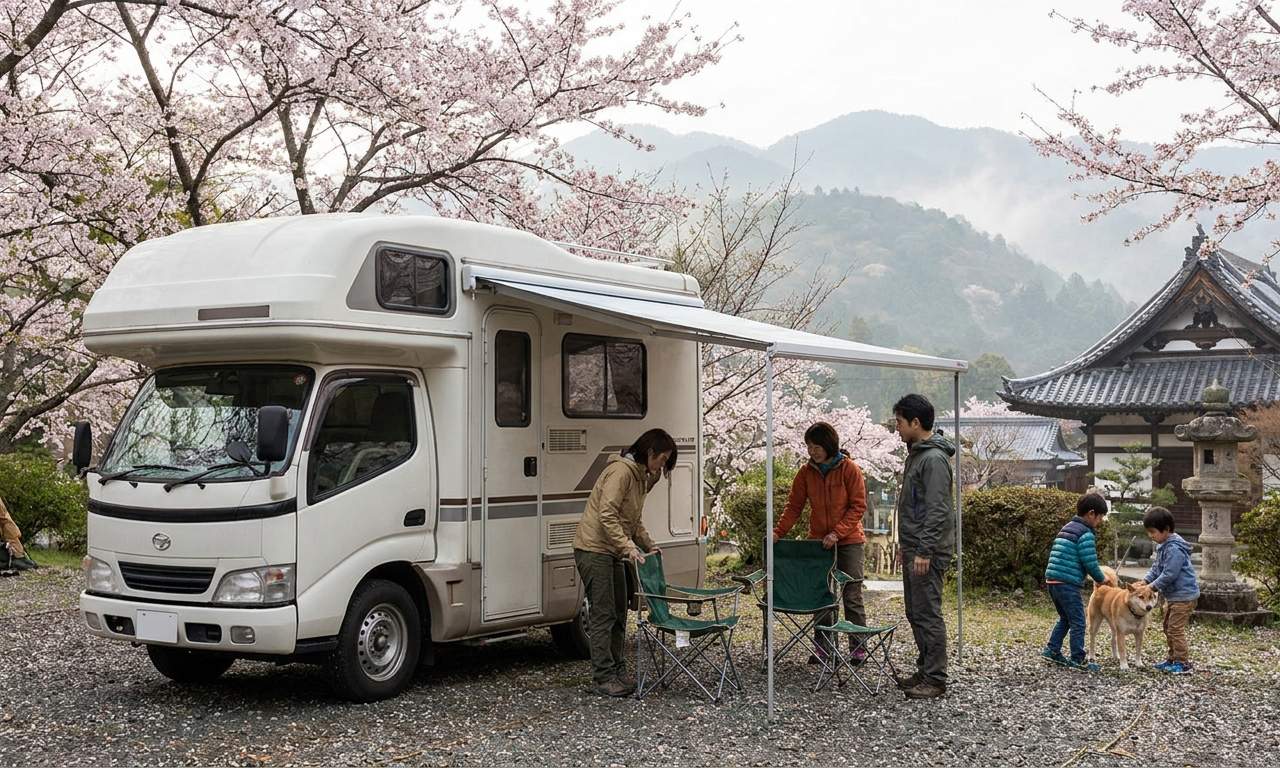
Class A (Integrated) - Best For
Class A integrated motorhomes, typically averaging 7.5 meters in length and sleeping 4 to 6 people, are best suited for luxury and spacious travel in Osaka. With an average load capacity of 209.5 kg, these RVs offer ample storage and comfort, ideal for larger groups or families seeking a premium experience. Their fuel consumption generally ranges from 11-12 Liters/100 km. While offering extensive amenities, their size can be challenging for Osaka's narrow city streets and urban parking, making them better for travelers planning to stay in designated RV parks outside the immediate city center and using public transport for city exploration. Imagine the comfort of a "rent rv example E3" or similar large, integrated unit, serving as your luxurious base.Price Comparison by RV Class in Osaka
The cost of a last minute RV rental in Osaka is dynamic, with prices fluctuating based on availability, demand, RV class, and rental duration. It's important to remember that these prices are estimates and update daily; for the most current rates, use the live search box at the top of the page. You can find excellent last-minute deals if you are flexible with your travel dates or vehicle choice. Bandana's platform directly partners with over 50 leading RV suppliers worldwide, including popular choices like El Monte and Apollo, providing you with a broad range of options and competitive rates. This means you can compare Class A, Class SI, Class C, Class B, and even Truck Camper prices in one place for your Osaka adventure. For more specific pricing details, explore our RV Rental in Osaka - Prices and Best Deals 2024.Class SI (Semi-Integrated) - Best For
Class SI semi-integrated motorhomes, typically averaging 6.9 meters in length and accommodating 3 to 4 sleepers from Bandana's global fleet, offer a balanced option for last-minute Osaka RV travelers. These models, such as an "Active Standard Auto" or "Class SI - Semi-integrated" unit, are excellent for couples or small families, providing a comfortable living space with better maneuverability than larger Class A RVs, making them more suitable for navigating Osaka's peripheral areas. Bandana's fleet generally sees fuel consumption around 10-11 Liters/100 km, and they offer an average load capacity of 72.2 kg, combining comfort with a reasonable footprint for mixed city and scenic route travel.Class C (Alcove) - Best For
Class C alcove motorhomes, averaging 7.5 meters in length and sleeping up to 6 people in Bandana's global fleet, are ideal for families or larger groups seeking a cost-efficient and comfortable last-minute RV rental in Osaka. Their distinctive over-cab sleeping area provides extra berths, making them perfect for families with children. These RVs typically consume 10-12 Liters/100 km of fuel and have an average load capacity of 42.4 kg, offering a good balance of space and utility. While larger, their robust design and typically lower rental cost make them a popular choice for exploring Osaka's surrounding prefectures and suburban attractions, with planned parking at RV-friendly facilities. An example is the "29′ Class C Motorhome" which offers ample space.Class B (Campervan) - Best For
Class B campervans, averaging 5.8 meters in length and sleeping 2 to 3 people in Bandana's global fleet, are the optimal choice for last-minute RV travelers prioritizing maneuverability and fuel economy in Osaka. These compact vehicles, such as a "2 Berth Hi Top" or "Class B - Camper Van," consume approximately 8-10 Liters/100 km of fuel and have an average load capacity of 37 kg, making them highly efficient and easy to park. Ideal for solo adventurers, couples, or small groups, Class B campervans excel at urban exploration, fitting into standard parking spaces and navigating Osaka's busy streets and narrow alleys with ease, offering the most flexibility for a spontaneous city-centric trip. Consider this option for a nimble adventure, as highlighted in "Last-Minute RV Driving in Osaka - Quick Plan 2026".Class TC (Truck Camper) - Best For
Class TC truck campers, averaging 5.5 meters in length and sleeping 2 to 3 people in Bandana's global fleet, are best for last-minute adventurers in Osaka who seek flexibility and a connection with nature. These unique RVs, which sit on the bed of a pickup truck (offered as a complete motorized rental unit), are often more agile and can access less-traveled routes, making them suitable for exploring rural Osaka prefectures and mountainous areas. While their average fuel consumption is higher, typically 12-17 Liters/100 km, their versatile nature means you have a robust vehicle for an adventurous last-minute getaway. An example is the "Patagonia Camper 4x4 double cab" from our fleet.Side-by-Side Comparison Table
This table provides a concise overview of the key specifications for each RV family available for rent in Osaka, helping you make an informed last-minute decision. Our goal at Bandana is full transparency, so you can easily compare and find the perfect RV for your needs.| Family | Avg Length (m) | Sleeps | Fuel Use (L/100 km) | Best Use Case in Osaka |
|---|---|---|---|---|
| Class A (Integrated) | 7.5 | 4-6 | 11-12 | Luxury, larger groups, designated RV parks, public transport for city |
| Class SI (Semi-Integrated) | 6.9 | 3-4 | 10-11 | Couples/small families, balanced comfort/maneuverability, mixed city/rural |
| Class C (Alcove) | 7.5 | 4-6 | 10-12 | Families, cost-efficient, suburban areas, longer trips |
| Class B (Campervan) | 5.8 | 2-3 | 8-10 | Solo/couples, urban exploration, fuel-efficient, easy parking |
| Class TC (Truck Camper) | 5.5 | 2-3 | 12-17 | Adventure, off-grid, smaller groups, flexible use of truck base |
Our Recommendation for last minute rv rental Travelers in Osaka
For last-minute RV travelers prioritizing ease of navigation and urban accessibility in Osaka, we primarily recommend a Class B (Campervan). Its compact size (avg 5.8m) and excellent fuel economy (8-10 L/100 km) make it ideal for quickly finding parking and traversing city streets, allowing spontaneous exploration of Osaka's vibrant core. Imagine preparing simple meals in your compact kitchen, like those in our RV-friendly recipes playlist, right in the heart of your adventure. As a strong runner-up, the Class SI (Semi-Integrated) offers a great balance for those needing a bit more space (avg 6.9m, sleeps 3-4) without sacrificing too much maneuverability, suitable for small families or extended trips around Osaka and its surrounding regions. Remember, with Bandana, you're choosing from direct partnerships with leading RV suppliers like El Monte and Apollo, ensuring quality and choice even for a last-minute booking.Specific, actionable RV parking solutions within Osaka city (beyond just campgrounds outside the city), including day parking for attractions and potential overnight spots.
Finding suitable RV parking within Osaka city requires strategic planning, as urban spaces are limited and height restrictions are common in multi-story garages. For day parking near major attractions, consider larger paid parking lots such as those near Universal Studios Japan or the expansive Osaka Castle Park, always checking height limits (typically 2.1-2.5 meters) beforehand. Overnight RV parking directly within central Osaka is extremely scarce and generally not recommended; instead, travelers should utilize suburban RV parks like Hoshida Park Campground or Michi-no-Eki on the city's outskirts, then commute into the city center via Osaka's efficient public transportation system, particularly the JR Loop Line or subway, which can be accessed from outlying stations with larger parking facilities. Drive slowly and carefully, and you can drive almost anywhere without issues. No need to stress - just use common sense and pay attention.Detailed guidance on 'free camping' vs. 'Michi-no-Eki' (roadside stations) regulations and etiquette specific to the Osaka region, clarifying legal and cultural norms for sleeping in an RV.
In Osaka and throughout Japan, 'free camping' on public land outside designated campgrounds is generally illegal and culturally frowned upon, emphasizing respect for local communities and the environment. Michi-no-Eki (roadside stations), which number over 1,100 nationwide, are intended as rest stops for drivers to take a break, not as free campsites; while overnight stays for rest are tolerated, setting up camp (e.g., deploying awnings, tables, or chairs) is strictly prohibited. Adhere to Japanese cultural etiquette at Michi-no-Eki by maintaining quiet hours, properly disposing of all waste in designated bins, and using facilities respectfully, ensuring your presence does not disturb other travelers or local residents. For more route plans and local tips, you might find our RV Travel Guide to Osaka - Tips and Top Spots 2024 helpful.Comprehensive cost breakdown for RV travel in Osaka, covering tolls (e.g., Hanshin Expressway specifics), fuel, specific parking fees, and campground costs.
The overall cost of RV travel in Osaka includes variable expenses such as tolls, fuel, parking, and accommodation, which can quickly accumulate. Tolls, especially on urban expressways like the Hanshin Expressway connecting major districts such as Umeda and Namba, are significant and often vary by vehicle size; an ETC (Electronic Toll Collection) card, which can be rented with your vehicle or acquired locally, is highly recommended for convenience and potential discounts on routes like the Kinki Expressway. Fuel costs (diesel or gasoline, depending on your RV class) are a major factor, with Bandana's global fleet RVs consuming between 8-17 Liters/100 km, while parking fees can range from hourly rates (e.g., ¥300-¥500/hour near Dotonbori) in city centers to daily maximums (e.g., ¥1,000-¥2,500/day at larger lots), with larger RVs sometimes incurring higher charges at dedicated lots or RV parks. Campground costs in and around Osaka, such as those near the Expo '70 Commemorative Park or within neighboring prefectures like Nara, typically range from ¥3,000 to ¥6,000 per night, depending on amenities and location. For easy budgeting and tracking all these ancillary expenses, we recommend using RV PLANET routes to itemize your trip costs.Practical advice for navigating Osaka's urban environment with an RV, including tips for narrow streets, heavy traffic, and avoiding specific restricted areas.
Navigating Osaka's urban environment with a rented RV requires careful planning due to narrow streets, heavy traffic, and specific vehicle restrictions. Opt for smaller RV classes like Class B campervans or Class SI semi-integrated models to enhance maneuverability and ease of parking, especially in areas like Tenjinbashi-suji Shopping Street. Utilize a GPS system with RV-specific settings to avoid low bridges (some underpasses in central Osaka have height limits around 2.8-3.0 meters), narrow roads, and restricted zones, particularly around pedestrian-heavy districts such as Shinsaibashi. It is often best to park your RV on the city outskirts at an RV-friendly facility (e.g., near Shin-Osaka Station) and use Osaka's extensive public transport for central exploration, especially during peak hours (7 AM-9 AM and 5 PM-7 PM). Remember to drive slowly and carefully, and you can drive almost anywhere without issues. No need to stress - just use common sense and pay attention.RV-specific itineraries for visiting Osaka's major attractions, outlining where to park the RV and how to best utilize public transport to explore the city center.
To effectively visit Osaka's major attractions by RV, consider parking at designated RV parks or larger parking facilities located outside the immediate city center, then using public transport. For Universal Studios Japan, park at their dedicated oversized vehicle lot (costs typically ¥3,000-¥5,000/day) or a nearby RV-friendly facility, then walk or use local transport to the entrance. When visiting areas like Dotonbori, Namba, or Umeda, park your RV at a suburban campground (e.g., near Tondabayashi or Habikino) or a peripheral station's parking lot (e.g., near Shin-Osaka or a major JR loop line station), and take the train or subway directly into the bustling city core, as central parking for RVs is virtually non-existent and impractical. We recommend slow travel, averaging max 100-150 km per day, to truly connect with Osaka's vibrant culture, incredible food, and diverse scenery. Our Rent&Plan service offers pre-planned routes by professionals, saving you the hassle of figuring out complex urban logistics.Logistical information for RVers in Osaka: where to find dump stations, fresh water refill points, and propane exchange/refill stations.
For RVers in Osaka, finding dump stations and fresh water refill points typically requires staying at dedicated campgrounds or RV parks, as public access to these facilities is limited. Campgrounds such as Maishima Auto Campground offer both dump and fresh water services. Some larger Michi-no-Eki, particularly those outside Osaka city limits like Michi-no-Eki Ōsaka Haruoi, may offer potable water, but it's not guaranteed, and dump stations are almost exclusively found at paid RV facilities. Propane exchange or refill stations are less common and often require visiting specialized RV service centers or larger gas stations in more rural areas of Japan, making it wise to plan your propane usage carefully for an Osaka trip and ensure tanks are full upon pickup. Bandana is a true RV specialist, knowledgeable about these practical details.Cultural etiquette for RV travelers in Japan, focusing on respectful conduct at campgrounds, Michi-no-Eki, and local communities.
RV travelers in Japan must observe strict cultural etiquette, emphasizing respect, cleanliness, and consideration for others at all times. At campgrounds and Michi-no-Eki, maintain quiet hours (typically 9 PM to 7 AM), keep your site immaculate, dispose of all trash properly in designated, often sorted, bins, and avoid loud conversations or music. Always be mindful of local customs, such as removing shoes before entering certain areas, bowing as a greeting, and avoiding public displays of affection, ensuring your RV journey enhances rather than detracts from the serene Japanese experience. Remember, Bandana is with you before, during, and after your booking to provide guidance on these and other important aspects of your adventure. For a broader overview, consider our "RV Rental Japan - Complete Guide 2026".Best times to visit Osaka by RV, considering weather, major events, and crowd levels.
The best times to visit Osaka by rented RV are generally during Spring (March to May) and Autumn (October to November), offering pleasant weather and beautiful scenery. Spring brings cherry blossoms (late March to early April) but also higher crowds and prices, especially around popular viewing spots like Osaka Castle Park. Autumn provides comfortable temperatures (avg 15-20°C) and stunning fall foliage, ideal for RV travel and exploring areas like Minoo Park. Avoid major Japanese holidays like Golden Week (late April/early May) and Obon (mid-August) if possible, as attractions, roads (including the Hanshin Expressway), and campgrounds will be extremely crowded and expensive. Summers (June to September) are hot and humid with typhoon risks, while winters (December to February) are mild but can have shorter daylight hours for driving and sightseeing. Looking for inspiration? Discover top destinations, planning tips, all in one place!What You Shouldn't Miss
- **Dotonbori at Night:** Experience the vibrant neon-lit entertainment district of Dotonbori, famous for its giant Glico Man sign and "Kuidaore" food culture. Park your compact campervan at a nearby paid lot like those near Namba Parks and take a short walk.
- **Osaka Castle Park:** Explore the iconic Osaka Castle and its extensive grounds, especially stunning during cherry blossom or autumn foliage seasons. Utilize the larger parking areas outside the park, then enjoy a leisurely stroll to the castle.
- **Universal Studios Japan:** Spend a thrilling day at Universal Studios, conveniently located for RVs with its dedicated oversized vehicle parking. It's a great option for families with kids seeking excitement.
- **Shinsekai & Tsutenkaku Tower:** Dive into the retro charm of Shinsekai, featuring the Tsutenkaku Tower and delicious kushikatsu. Park a small RV in a suburban lot near Tennoji Station and use public transport for easy access.
- **Minoo Park for Nature Escapes:** Just a short drive north of central Osaka, Minoo Park offers beautiful hiking trails, waterfalls, and vibrant autumn colors. Ideal for a day trip with your RV, offering a serene contrast to the city bustle.
Final Thoughts
An RV rental in Osaka, even a last-minute one, opens up a world of adventure, offering a unique blend of urban excitement and serene natural escapes. Whether you choose a nimble campervan for city exploration or a spacious motorhome for a family road trip, the freedom of the open road in Japan is unparalleled. Remember to travel slowly, averaging max 100-150 km per day, to truly immerse yourself in the culture, savor the food, and appreciate the stunning scenery. At Bandana, we handle the details, so you can live the journey. From ensuring full price transparency to providing robust pre-booking support and valuable planning resources through RV PLANET, we’re here to help every step of the way. Your Osaka RV adventure is waiting. Find Motorhome Rentals in OsakaOn the routes offered through RV PLANET routes, you can itemize and track every expense along the way for easy budgeting.
