For live availability and current prices, start with our RV Rental Tokyo - Airport - Complete Guide 2026 guide.
In This Guide
- Can You Drive an RV in Tokyo - Airport? License & Age Rules
- Road Conditions & Terrain in Tokyo - Airport
- RV Size Limits, Bridges & Restricted Zones
- Fuel: Diesel vs. Petrol & Cost per 100 km
- Tolls, Vignettes & Border Rules
- Driving Tips for family rv rental Travelers
- Recommended RV Class for Tokyo - Airport Roads
- Should I Choose a Compact Van Instead of a Large RV in Tokyo - Airport?
- Can I Park Anywhere? Free & Wild Camping Rules in Tokyo - Airport
- Can I Drive an RV Into the City Center? Heights, Tunnels & Local Signage
- How do I pick up and drop off an RV at Narita (NRT) or Haneda (HND) airports?
- Where can I legally and safely park my RV for the first or last night near Tokyo airports?
- Which Tokyo airport is better for starting an RV trip, Narita (NRT) or Haneda (HND)?
- Are there specific parking challenges for RVs at Tokyo airports like height restrictions?
- How do I navigate the immediate vicinity of Tokyo airports with an RV, including toll gates and essential services?
- How can I integrate public transportation with RV travel around Tokyo airports?
- What are the airport-specific costs and fees for RV rentals in Tokyo?
- What are the cultural norms and regulations for RV parking near Tokyo airports?
Can You Drive an RV in Tokyo - Airport? License & Age Rules
To drive an RV in Japan, including from Tokyo airports, foreign visitors typically need an International Driving Permit (IDP) issued under the 1949 Geneva Convention, along with their valid home country driver's license. An IDP is required for most non-Japanese licenses, and the minimum driver age is usually 20, though rental companies may have higher restrictions, often 25. For most standard rental RVs (often under 3,500 kg Gross Vehicle Weight), a standard 'Class B' equivalent license (as per IDP) is sufficient. However, RVs exceeding 3,500 kg might require a higher license category, so it's crucial to confirm specific requirements with your rental provider before booking.
Road Conditions & Terrain in Tokyo - Airport
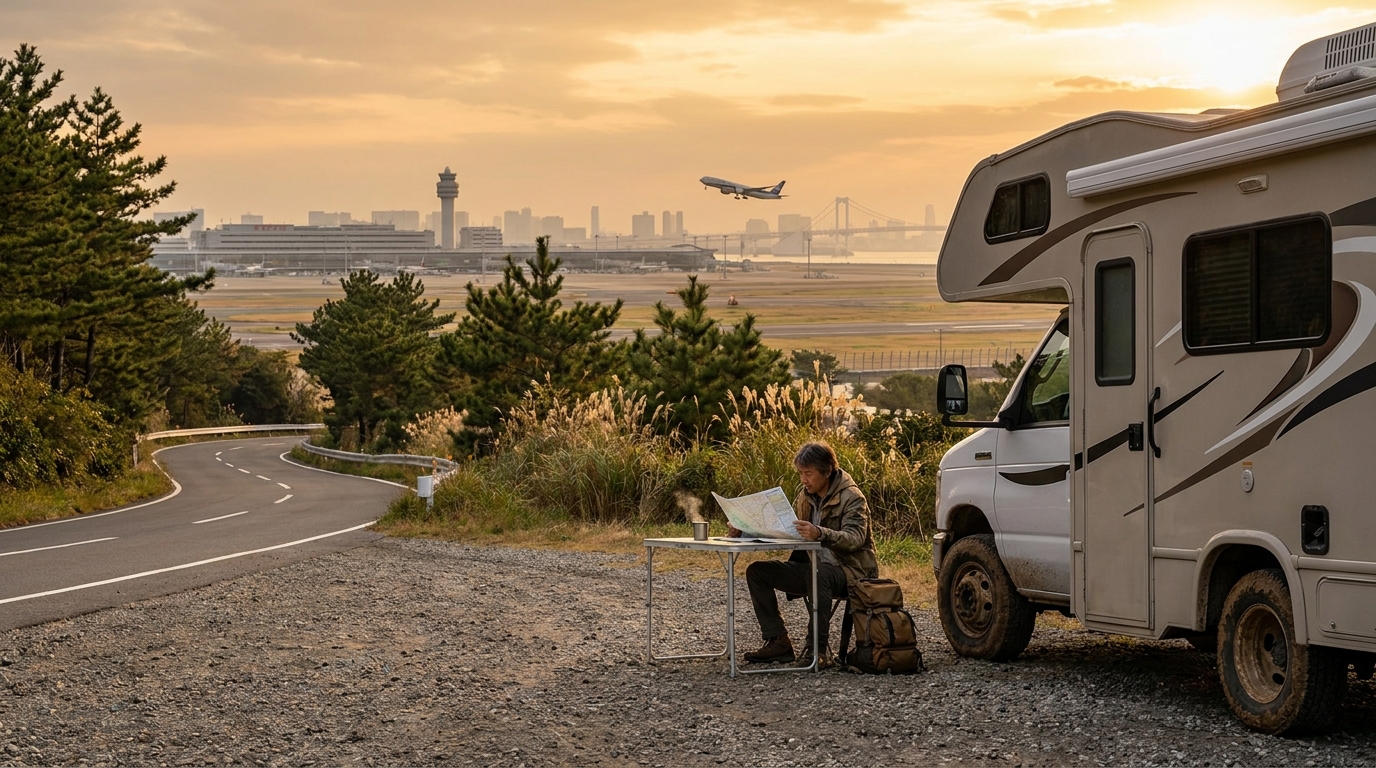
Road conditions in and around Tokyo airports are generally excellent, featuring well-maintained, modern highways and arterial roads. While mountainous terrain is common further afield, urban areas near the airports are typically dense. Highways are smooth and modern, offering a comfortable driving experience well-suited for RV travel. However, urban areas near the airports can involve dense traffic and narrower streets, necessitating careful navigation. Outside the immediate Tokyo area, popular scenic routes often traverse mountainous regions with winding roads, encouraging slower, more deliberate driving. You can expect paved roads as the standard; unpaved or gravel roads are rare on major tourist routes.
RV Size Limits, Bridges & Restricted Zones
While most roads and highways in Japan can accommodate standard RV sizes, drivers must be vigilant for potential height restrictions, particularly on older urban roads, tunnels, and specific parking facilities. Most RVs have a height of around 2.5 to 3.5 meters; always verify your vehicle's specific dimensions and look for clearly marked signage. Low bridges and overhead structures are more commonly found in older, central urban districts rather than near modern airport infrastructure. Environmental zones are less prevalent for RVs in Japan compared to certain European cities, but local regulations can evolve, so staying informed is wise. If planning to use ferries for island travel, always check specific length and weight restrictions, as these factors influence pricing and availability.
Fuel: Diesel vs. Petrol & Cost per 100 km
Most rental RVs in Japan, including those picked up near Tokyo airports, typically run on diesel fuel, which is widely available at service stations, with petrol (gasoline) also common for smaller vehicles. Bandana's global fleet averages show Class SI and C Alcove RVs typically consume 10-12 Liters/100 km, while Class B Camper Vans average around 10 Liters/100 km. Based on an estimated average diesel price in Japan, a Class B Camper Van could cost approximately ¥1,700 per 100 km, and a Class C Alcove around ¥1,700 – ¥2,040 per 100 km. Fuel stations are abundant along major routes, though availability might be less frequent in very rural areas. Inquire with your rental provider about any fuel discount cards or perks that might be available with your RV.
Tolls, Vignettes & Border Rules
Japan's extensive highway network operates on a toll system, with electronic toll collection (ETC card) being the most convenient method for RV travelers, eliminating the need for physical vignettes or border passes within the country. There are no vignettes required for Japan's roads; tolls are paid per-use directly on expressways. An ETC card is highly recommended for seamless passage through toll gates and can sometimes offer discounts; confirm if your rental RV includes one or if it can be rented. Without an ETC card, tolls must be paid manually at gates using cash or credit card (note that some older gates may be cash-only). As an island nation, border rules are not applicable for driving to neighboring countries; any travel beyond Japan would necessitate alternative transportation methods like shipping or flying. On the routes offered through RV PLANET routes, you can itemize and track every expense along the way for easy budgeting.
Driving Tips for family rv rental Travelers
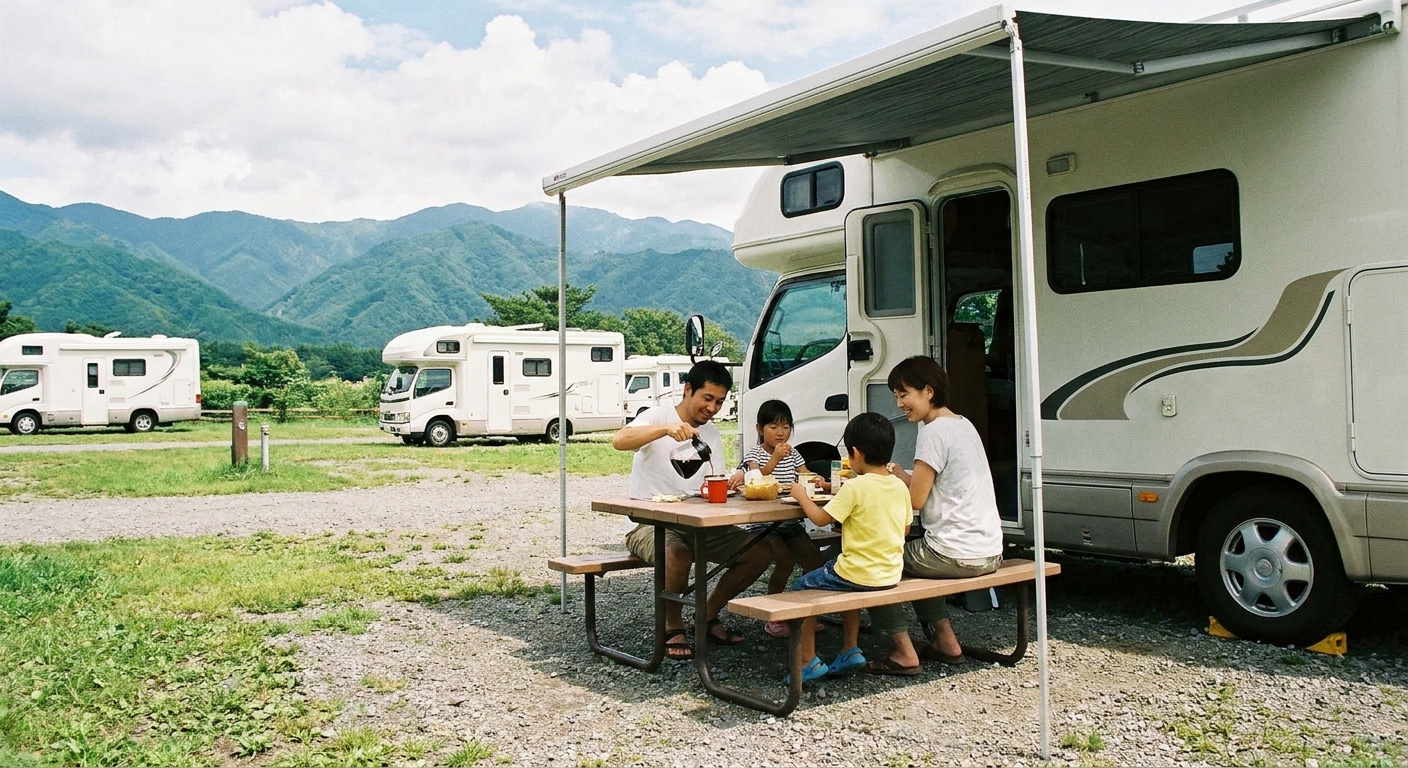
Family RV rental travelers in Japan should prioritize safety and comfort by planning regular stops, understanding local driving etiquette, and utilizing modern navigation tools for a smooth journey. Plan stops every 2-3 hours, especially with children, at Michi-no-Eki (roadside stations) or rest areas, which offer clean restrooms and amenities. Secure an ETC card for seamless toll road travel, reducing stress and potentially offering savings. Utilize a reliable GPS with updated maps, as Japanese addresses can be intricate; destination phone numbers or map codes are often helpful. Most rental RVs come with automatic transmission, simplifying driving in varied conditions, including urban traffic and winding scenic routes. Always be mindful of your RV's dimensions when parking, particularly near attractions or in city centers, and opt for designated RV-friendly spots whenever possible.
Recommended RV Class for Tokyo - Airport Roads
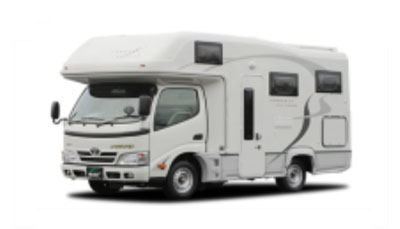
For family RV rentals departing from Tokyo airports, a Class B Camper Van or a Class SI Semi-integrated RV offers a great balance of maneuverability for Japanese roads and comfortable living space. Class B Camper Vans, averaging 5.8 meters in length with sleeping for approximately 3.2 adults in Bandana's fleet, are ideal for smaller families or couples seeking easy handling and parking in more compact areas while retaining essential amenities. Class SI Semi-integrated RVs, averaging 6.9 meters in length with sleeping for approximately 3.8 adults in Bandana's fleet, provide more interior space, often a separate bedroom, and enhanced kitchen facilities, suitable for families desiring greater comfort on their trip while remaining manageable on Japanese roads. Both classes generally offer sufficient ground clearance for standard paved roads throughout Japan, including expressways and country routes. For ideas you can prep on the road, watch our RV-friendly recipes playlist on YouTube.
Should I Choose a Compact Van Instead of a Large RV in Tokyo - Airport?
While a compact van offers superior maneuverability, the added comfort, space, and amenities of a larger RV often outweigh the minor challenges of driving in Japan, especially when departing from Tokyo airports and traveling with family. Larger RVs provide crucial benefits such as separate sleeping areas, full kitchens, and onboard restrooms, significantly enhancing the overall travel experience. Most primary roads, including highways and routes leading out of Tokyo, are well-suited for RVs up to 7.5 meters in length, like Bandana's Class C or Class A averages. A compact van genuinely helps in navigating very tight historic city centers or exceptionally narrow mountain passes, but these specific scenarios can often be avoided with careful route planning. For a family, the trade-off of less interior space and fewer amenities in a compact van for only slightly easier parking might not be beneficial for longer trips.
Can I Park Anywhere? Free & Wild Camping Rules in Tokyo - Airport
In Japan, wild camping or 'free camping' outside designated areas is generally discouraged and often illegal, especially near Tokyo airports. This makes official campgrounds, 'Michi-no-Eki' (roadside stations), and RV parks the primary options for overnight stays. Many Michi-no-Eki located near Narita and Haneda allow overnight parking for RVs, providing restrooms and vending machines, but typically prohibit full camping setups outside the vehicle. Strict regulations apply to parking on public land; always opt for private campgrounds or designated RV parks for multi-night stays and access to full camping amenities. Respect local communities; illegal parking or disruptive behavior can lead to fines and negatively impact the reputation of RV travelers. Rules vary by region, so always check local regulations and follow local law before parking overnight.
Can I Drive an RV Into the City Center? Heights, Tunnels & Local Signage
Yes, you can generally drive an RV into Tokyo city centers, but careful attention to height limits, traffic regulations, and complex signage is crucial due to the dense urban environment. The primary challenge is often the availability and cost of suitable parking rather than outright driving restrictions for RVs. Be highly vigilant for height limits on tunnels, underground parking garages (which are typically too low for most RVs), and older overhead structures. Follow local signage meticulously, paying attention to environmental zones (less common for RVs but can exist) and residents-only streets. For exploring the city center, consider parking your RV at a suburban station and utilizing Tokyo's efficient public transportation network.
How do I pick up and drop off an RV at Narita (NRT) or Haneda (HND) airports?
Picking up or dropping off an RV at Narita (NRT) or Haneda (HND) airports typically involves pre-arranged shuttle services to a rental depot located a short distance from the airport terminals, followed by a thorough vehicle orientation. Pre-arrangement with your rental company is essential, as RVs are not usually parked directly at airport terminals; confirm exact pick-up/drop-off times and locations in advance. Expect to be met by a rental company representative at a designated airport meeting point (e.g., arrival lobby) who will provide transportation to their nearby depot. At the depot, allow ample time for a detailed vehicle orientation, covering the operation of appliances, waste systems, and safety features, which is especially important for first-time RV users. Always confirm the specific depot address and shuttle pick-up spots for both NRT and HND, as these details can vary significantly by rental provider.
Where can I legally and safely park my RV for the first or last night near Tokyo airports?
For your first or last night near Tokyo airports, Michi-no-Eki (roadside stations) or dedicated RV parks are the most legal and safest options, offering basic amenities and convenience for RV travelers. Many Michi-no-Eki located near Narita and Haneda allow overnight parking for RVs, providing restrooms and vending machines, but typically prohibit full camping setups outside the vehicle. Dedicated RV parks and campgrounds in the greater Tokyo area offer more comprehensive amenities like hookups, dump stations, and enhanced security, making them ideal for multi-night stays; advance booking is recommended. While airport parking lots can accommodate large vehicles, they are generally not suitable or cost-effective for overnight RV stays beyond active airport use. Prioritize parking spots with good lighting, security, and access to essential amenities like clean restrooms and trash disposal for peace of mind.
Which Tokyo airport is better for starting an RV trip, Narita (NRT) or Haneda (HND)?
The choice between Narita (NRT) and Haneda (HND) for starting an RV trip depends on your itinerary, with NRT often preferred for international arrivals requiring less immediate city driving, and HND for closer proximity to central Tokyo. Narita (NRT) Pros: As a major international hub further east of Tokyo, NRT generally offers easier access to major highways heading out of the city, helping RV drivers avoid immediate dense urban traffic. Narita (NRT) Cons: Its distance from central Tokyo might be inconvenient if you plan a pre-RV city stay. Haneda (HND) Pros: Being closer to central Tokyo makes HND convenient for domestic arrivals or for integrating a brief city visit before picking up your RV. Haneda (HND) Cons: Navigating out of Haneda with an RV can involve more immediate urban driving challenges and potential height restrictions in some airport parking or nearby structures. For driving out, NRT offers simpler access to expressways for travel north, east, or south, whereas HND may require navigating more complex urban highway interchanges initially.
Are there specific parking challenges for RVs at Tokyo airports like height restrictions?
Yes, RVs face specific parking challenges at Tokyo airports, particularly height restrictions in multi-story garages at Haneda (HND) and limited suitable surface spaces for larger vehicles at both NRT and HND. Haneda (HND) Height Restrictions: Most multi-story parking facilities at Haneda have height limits, typically around 2.1 to 2.3 meters, which are generally too low for the average RV. Narita (NRT) Parking: Narita tends to have more surface parking options that can often accommodate larger RVs, though you may need to utilize designated 'oversize' or 'bus' parking areas. Dedicated RV parking directly at the airport terminals is rare, as most airport parking is designed for standard passenger vehicles. Consider using long-term parking facilities located slightly outside the immediate airport area that are better equipped to handle larger vehicles, or rely on your RV rental company's specific pick-up/drop-off logistics. Airport parking for RVs can be considerably more expensive than standard car parking, especially for extended periods.
How do I navigate the immediate vicinity of Tokyo airports with an RV, including toll gates and essential services?
Navigating the immediate vicinity of Tokyo airports with an RV requires careful attention to toll gate procedures, understanding highway signage, and knowing where to locate essential services like fuel, water, and dump stations. Toll Gate Procedures: Use an ETC card for seamless passage through Japan's expressway toll gates; otherwise, be prepared to pay cash or use a credit card at manual lanes. Highway Entrances/Exits: Pay close attention to overhead signage, which is usually in both Japanese and English, for highway numbers and destination cities, and rely on GPS navigation. Finding Essential Services: Gas stations are frequent along major routes, often found at 'サービスエリア' (Service Area) or 'パーキングエリア' (Parking Area) on highways. Water and dump stations are primarily at dedicated RV parks or some larger Michi-no-Eki. Familiarize yourself with common Japanese road signs, especially those indicating speed limits, no-parking zones, and height restrictions, before embarking on your journey. Be prepared for varying traffic conditions, ranging from dense urban traffic close to the airports to smoother highway travel as you venture further out.
How can I integrate public transportation with RV travel around Tokyo airports?
Integrating public transportation with RV travel around Tokyo airports is highly effective by utilizing suburban train stations with RV-friendly parking or leveraging airport shuttle services for initial transfers to your rental depot. Park and Ride: A smart strategy is to park your RV at larger suburban train stations that offer long-term parking and then use Tokyo's efficient train system to explore the city center, avoiding urban driving and parking challenges. Airport Shuttles: Utilize the airport's public shuttle system to connect between terminals or to nearby train stations, especially if your RV rental depot is not directly at the terminal. Many RV rental depots near NRT and HND are strategically located with good accessibility to both the airport and public transport links, facilitating easy connection to your RV after arriving by train. Obtain a rechargeable IC card (like Suica or Pasmo) for seamless travel on trains, subways, and buses throughout the greater Tokyo area. For day trips into Tokyo, it is often more convenient and less stressful to leave the RV parked at a secure location and rely entirely on Japan's excellent public transport.
What are the airport-specific costs and fees for RV rentals in Tokyo?
RV rentals from Tokyo airports may include airport-specific costs such as special access fees, potential parking charges during pick-up/drop-off, and sometimes additional insurance considerations for airport-adjacent locations. Some rental companies might levy an 'airport access fee' to cover the operational costs associated with providing shuttle services, staff coordination, and necessary permits for operating near airport premises. Always confirm if there are any separate charges for the shuttle service transporting you to and from the rental depot. Always review your rental agreement to understand if there are specific insurance requirements or endorsements for RV use in busy airport vicinities or for navigating complex airport access roads. Be aware that if you need to park your personal vehicle or temporarily park the RV at the airport for a short period, airport parking rates, especially at HND, can be significantly higher than standard rates. Always request a transparent breakdown of all costs and fees from your rental provider to ensure full clarity and avoid any unexpected charges.
What are the cultural norms and regulations for RV parking near Tokyo airports?
When parking an RV near Tokyo airports, adhering to Japanese cultural norms of respect, cleanliness, and quiet, alongside strict local parking regulations, is paramount to ensure a smooth and enjoyable experience for all. Unlike some Western countries, 'wild camping' is generally not accepted in Japan; overnight parking at Michi-no-Eki is usually tolerated for rest, but elaborate outdoor setups (awnings, tables, chairs) are not. Always leave no trace; dispose of trash properly according to Japan's strict waste separation rules and maintain a tidy area. Maintain quiet, especially during evening and early morning hours, to show respect for fellow travelers and local residents. Only park in clearly designated spots; avoid parking in residential areas or in front of businesses unless explicit permission is granted. Be aware that parking laws are strictly enforced in Japan, and unauthorized overnight parking can result in fines or towing.
What You Shouldn't Miss
- For expert insights from Avi Bandana, check out the Top 5 Adventures section for his personal recommendations.
- **Explore the Naritasan Shinshoji Temple**: Just a short drive from Narita Airport (NRT), this ancient Buddhist temple complex offers a peaceful escape and a glimpse into Japan's rich history and culture.
- **Drive the Tokyo Bay Aqua-Line to Umihotaru**: An experience unique to RV travel in this region, driving your motorhome onto the artificial island in Tokyo Bay for stunning ocean views and amenities is a must-do.
- **Discover Chiba's Coastal Sunrises**: If you're near Narita Airport (NRT), head to the coast in Chiba Prefecture to witness breathtaking sunrises, a truly serene start to your RV journey.
- **Sample Local Delights at a Michi-no-Eki**: Utilize the widespread roadside stations near both NRT and HND for convenient parking, clean facilities, and authentic local produce and snacks.
Final Thoughts
Renting an RV in Tokyo - Airport opens up incredible opportunities for a unique and flexible family adventure across Japan. By understanding the local driving conditions, licensing requirements, and parking nuances, you can ensure a smooth and enjoyable journey from the moment you pick up your vehicle.
Embrace the freedom of the open road with a rented RV and discover the diverse landscapes and rich culture of Japan at your own pace. We're here to support you with transparent pricing and the best vehicle comparisons, so you can focus on creating unforgettable memories.
Find Motorhome Rentals in Tokyo - Airport