In This Guide
- Can You Drive an RV in Denver? License & Age Rules
- Road Conditions & Terrain in Denver
- RV Size Limits, Bridges & Restricted Zones
- Fuel: Diesel vs. Petrol & Cost per 100 km
- Tolls, Vignettes & Border Rules
- Driving Tips for rv rental Travelers
- Recommended RV Class for Denver Roads
- Should I Choose a Compact Van Instead of a Large RV in Denver?
- Can I Park Anywhere? Free & Wild Camping Rules in Denver
- Can I Drive an RV Into the City Center? Heights, Tunnels & Local Signage
- Do you need a special license to drive an RV in Colorado?
- Do you have to have a CDL to drive a 30 ft RV?
- Do you need a license to get an RV?
- How much is RV insurance in Colorado?
Can You Drive an RV in Denver? License & Age Rules
Yes, you can absolutely drive a rented RV in and around Denver with a standard driver's license, as no special permits are required for most rental motorhomes. In Colorado, a regular Class D car license is sufficient for operating any vehicle with a Gross Vehicle Weight Rating (GVWR) up to 26,000 pounds, which covers virtually all rental campers, from nimble Class B vans to spacious Class A motorhomes. The minimum age to rent a motorhome is just 21 years old with Bandana's partners, giving younger adventurers the chance to explore.
For international visitors, the process is just as straightforward. You'll need a valid driver's license from your home country. While not always mandatory, we highly recommend obtaining an International Driving Permit (IDP) if your license is not in English. It serves as a translation and can simplify interactions with authorities or rental depots. The key takeaway is that the freedom of the open road is accessible to most licensed drivers without needing to jump through complex legal hoops. Just bring your valid license, meet the minimum age of 21, and you're ready to start your journey from the Mile High City.
🎬 Video coming soon
Road Conditions & Terrain in Denver
The road conditions around Denver are incredibly varied, ranging from wide, well-maintained urban highways like I-25 and I-70 to challenging, winding mountain passes that climb into the Rockies. Imagine yourself leaving the flat plains of the city and, within an hour, ascending steep grades on your way to world-class ski resorts or stunning national forests. This rapid transition from flat to mountainous terrain is what makes driving a rented RV here so exciting. While main arteries are smooth, be prepared for diverse surfaces as you explore; many national forest access roads and campground entrances can be unpaved gravel, requiring you to slow down and drive with care.
A crucial factor to consider is the high altitude. Denver sits at 5,280 feet, and roads to the west climb much higher. This elevation can reduce your motorhome's engine performance by about 3% for every 1,000 feet you ascend. There's no need to stress about this; modern rental RVs are built to handle it. Just be mindful that you may climb steep mountain passes more slowly than you would at sea level. The best approach is to take your time, use lower gears on descents to save your brakes, and fully embrace the journey. Traveling slowly, at a maximum of 100-150 km per day, allows you to truly connect with the epic scenery of the Rocky Mountains.
RV Size Limits, Bridges & Restricted Zones
While most roads around Denver are perfectly suitable for any rented motorhome, it's wise to be aware of potential height and length restrictions, especially on scenic byways and in older mountain towns. The standard highway bridge clearance in the U.S. is 13 feet 6 inches (4.11 meters), which accommodates nearly all rental RVs, including large Class A models. However, routes like the Mount Evans Scenic Byway have restrictions on their upper sections, so it's always best to check local signage before committing to a specific mountain road. With a rented motorhome, a little common sense goes a long way: just pay attention to posted signs, and you can drive almost anywhere without issues.
In terms of restricted zones, Denver's metro area does not have any specific environmental zones that would prevent you from driving a rental camper. You have the freedom to navigate the city and its surroundings. The primary challenges are not legal restrictions but practical ones, like finding parking for a larger vehicle downtown. Weight restrictions are rarely an issue for recreational motorhomes but can be posted on older, smaller bridges in rural areas. The best strategy is to plan your route a day ahead. For finding campsites and campgrounds during your trip, we recommend using RV PLANET (rvplan.net), a fantastic resource for locating suitable spots and checking for any noted access limitations along your planned itinerary.
Fuel: Diesel vs. Petrol & Cost per 100 km
Rental motorhomes in Denver are available with both gasoline (petrol) and diesel engines, and you'll find both fuel types are readily available at stations throughout the region. Larger vehicles, like many Class C and Class A motorhomes, often run on diesel for its superior torque, which is helpful in the mountains. Smaller Class B campervans and some Class C models typically use gasoline. When you book, the fuel type will be clearly listed, so you'll know exactly what to look for. As one of the core principles of Bandana is Full Transparency, you can be sure there are no surprises when it comes to your vehicle's specifications.
Budgeting for fuel is a key part of planning your adventure. A typical Class C motorhome from our partners' fleets consumes approximately 23 liters per 100 km (about 7-10 miles per gallon). With fuel prices fluctuating, a reasonable estimate for your budget is between $40 and $60 per 100 kilometers traveled. This is one of several ancillary costs to consider for your trip, alongside campground fees and groceries. A great way to manage your budget is by using the planning tools available with RV PLANET routes, which allow you to itemize and track every single expense along the way, ensuring you have a clear financial picture of your journey. On the routes offered through RV PLANET routes, you can itemize and track every expense along the way for easy budgeting.
Tolls, Vignettes & Border Rules
When driving your rented RV around Denver, you'll encounter some toll roads, most notably the E-470 beltway that provides a convenient loop around the eastern side of the metro area and near Denver International Airport. Colorado's tolling system is almost entirely electronic, using either a transponder (like an ExpressToll pass) or a Pay-By-Mail system that captures an image of your license plate. Be aware that the Pay-By-Mail rates are significantly higher. Many rental suppliers offer toll pass solutions as an add-on, which can be a cost-effective way to avoid higher fees and potential administrative charges.
The good news for travelers is that there are no vignettes or special stickers required for driving a motorhome in Colorado. Your travel is unrestricted across state lines, so you can freely drive your Denver rental into Wyoming, Utah, or any other neighboring state without worrying about border checks or different regulations. This makes multi-state trips incredibly easy to plan. For example, you could plan an epic journey using our "One-Way RV Rental in Denver - Price Guide 2026" and explore far beyond Colorado's borders. Just focus on the road ahead and enjoy the seamless travel that a rented camper provides.
Driving Tips for rv rental Travelers
Driving a rented motorhome in Denver's mountainous terrain is an adventure, and a few key tips will ensure your journey is safe and enjoyable. When descending steep mountain passes, always shift into a lower gear (L, 1, or 2 on an automatic transmission) to let the engine assist with braking. This technique, known as engine braking, helps prevent your brakes from overheating. It's also vital to maintain a generous following distance from the vehicle in front of you, as a heavier RV requires more space to stop. Remember to make wider turns than you would in a car to accommodate the longer wheelbase of your camper.
Beyond the mechanics of driving, be mindful of the high altitude. To help prevent altitude sickness, drink plenty of water and take it easy on your first day at higher elevations. The weather in the Rockies can change in an instant, so pack layers of clothing for all conditions, even in summer. Wildlife, especially deer and elk, are frequently seen along roadways at dawn and dusk, so stay alert. Most importantly, allow yourself extra time. A rented RV is about the journey, not just the destination. Travel slowly, soak in the views, and create unforgettable memories. If you're looking for pre-planned route ideas, check out the "RV Travel Guide to Denver - Tips and Top Spots 2026" for inspiration.
Recommended RV Class for Denver Roads
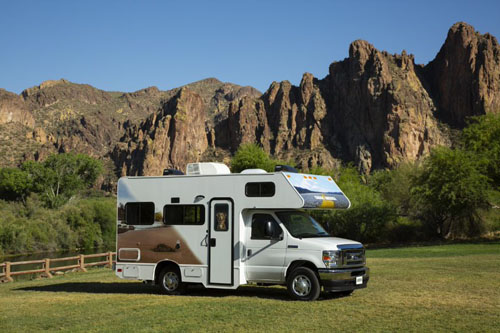
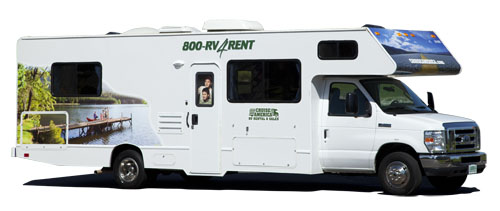
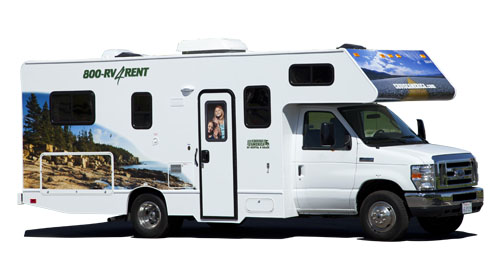
For exploring Denver and the majestic Rocky Mountains, Class C motorhomes and Class B campervans are fantastic choices that balance comfort with maneuverability. Class C models, which average around 7.9 meters (26 feet) in our Denver fleet and sleep about 6 people, are a popular option for families. They provide ample living space, a full kitchen, and a private bathroom, all while being manageable enough for most mountain roads and state park campgrounds. They are the quintessential family road trip vehicle, offering a perfect home base for your adventures.
If you're a couple or a smaller group prioritizing agility, a Class B campervan is an excellent option. Averaging about 6.1 meters (20 feet), these vans are incredibly easy to drive and park, making them ideal for navigating narrower scenic byways or finding a spot in a bustling mountain town. While more compact, they are efficiently designed with sleeping areas, a small galley, and often a wet bath. For those seeking ultimate luxury, a Class A motorhome (averaging 8.9 meters) offers an unparalleled experience with expansive windows and residential-style amenities. While their size is best suited for major highways and well-equipped RV parks, with careful driving, they can also be a wonderful way to see Colorado's grandeur. To find the perfect fit, you can explore options in our "Luxury RV Rental in Denver - Premium Prices 2026" guide.
Should I Choose a Compact Van Instead of a Large RV in Denver?
The choice between a compact campervan and a larger motorhome for your Denver adventure depends entirely on your travel style and priorities. A compact van, like a Class B, offers unmatched agility for exploring downtown Denver's streets or tackling very narrow, winding mountain passes. Parking is simpler, and you'll feel more confident navigating tight spaces. If your itinerary includes a lot of urban exploration or driving on lesser-known scenic routes with potential length advisories, a campervan is an excellent choice.
However, for longer week-long or two-week adventures, especially with a family, the extra space and amenities of a larger Class C or Class A motorhome provide a significant boost in comfort. Imagine having a full kitchen to prepare meals after a long hike, a private bathroom, and separate sleeping areas for the kids. A larger rented RV becomes your mobile headquarters, offering a comfortable retreat no matter where you are. The truth is, you can drive almost any size RV almost anywhere. Just drive slowly and carefully, use common sense, and you'll have no issues. The decision comes down to a trade-off: maneuverability versus onboard living space and comfort. For ideas you can prep on the road, watch our RV-friendly recipes playlist on YouTube.
Can I Park Anywhere? Free & Wild Camping Rules in Denver
While the dream of parking your rented RV anywhere with a beautiful view is tempting, the rules around "wild camping" (or boondocking) are quite specific, especially near a major city like Denver. Within Denver's city limits and most suburban areas, overnight parking in an RV on public streets or in commercial lots is strictly prohibited. Some large retail stores like Walmart may permit overnight stays at the manager's discretion, but this is never guaranteed and should be confirmed upon arrival. For a stress-free experience, planning to stay in designated campgrounds or RV parks is the best approach when you are close to the city.
Once you venture out of the metro area into the surrounding National Forests and Bureau of Land Management (BLM) lands, your options for dispersed camping open up significantly. In these public lands, you can often camp for free in designated areas for up to 14 days, provided you are self-contained and follow all Leave No Trace principles. This means packing out everything you pack in and leaving your campsite better than you found it. Finding these spots can be part of the adventure. For detailed planning and locating both paid campgrounds and dispersed camping areas, we always suggest using a reliable resource like RV PLANET (rvplan.net) to see what's available along your route.
Can I Drive an RV Into the City Center? Heights, Tunnels & Local Signage
Yes, driving a rented motorhome into downtown Denver is entirely possible, and you shouldn't feel discouraged from doing so. The main roads leading into and through the city center, such as Speer Boulevard and Colfax Avenue, are designed to accommodate large vehicles. The key is to be vigilant and pay close attention to local signage. As you get closer to the core, you may encounter older bridges or underpasses with lower height clearances, but these are always clearly marked well in advance, giving you plenty of time to choose an alternate route. With a little awareness, navigating the city can be a smooth experience.
The biggest challenge isn't driving, but parking. On-street parking for a motorhome is virtually nonexistent downtown. Your best bet is to look for large, open-air surface lots on the periphery of the central business district, which are more likely to have space for an oversized vehicle. Some lots near Coors Field or the Ball Arena may be suitable on non-event days. An even better strategy is to park at an RTD Light Rail station in the suburbs, like the Lincoln or Littleton-Mineral stations, and take the train downtown for a day of exploring. This gives you the best of both worlds: the comfort of your rented RV and hassle-free access to the city.
Do you need a special license to drive an RV in Colorado?
No, a special license is not required to drive the vast majority of rental motorhomes in Colorado. A standard non-commercial driver's license (like a Class D) is all you need, provided the RV's Gross Vehicle Weight Rating (GVWR) is under 26,001 pounds. This weight limit covers nearly every vehicle you'll find in a rental fleet, from compact campervans to large Class C motorhomes and even many Class A models. This makes renting an RV incredibly accessible for anyone with a standard car license.
The rules are designed to make it easy for families and vacationers to enjoy the freedom of RV travel without the need for specialized training or endorsements. The only exception would be for exceptionally large, heavy motorhomes (often privately owned) that exceed the 26,000-pound threshold, which might then require a Commercial Driver's License (CDL). However, for your vacation rental, you can rest assured that your current, valid driver's license is all you'll need to get on the road and start your Colorado adventure.
Do you have to have a CDL to drive a 30 ft RV?
No, you do not need a Commercial Driver's License (CDL) to drive a 30-foot rental RV for recreational purposes in Colorado. The requirement for a CDL is determined by the vehicle's weight, not its length. A standard 30-foot motorhome, such as a popular Class C model, almost always has a Gross Vehicle Weight Rating (GVWR) well below the 26,001-pound limit that would necessitate a CDL. This means your regular car driver's license is perfectly sufficient.
This is a common question for first-time renters, and it's reassuring to know that the regulations are traveler-friendly. Whether you're considering a nimble 24-foot camper or a more spacious 30-foot model for your family, the licensing requirements remain the same. This simplicity is part of what makes renting a motorhome such an appealing vacation option. For more budget-focused options, you can browse our "Cheap RV Rental in Denver - Budget Guide 2026" to see a variety of sizes that all fall under the standard license rule.
Do you need a license to get an RV?
Yes, a valid driver's license is absolutely required to rent and operate any motorhome in Denver. When you pick up your rented RV, the rental depot staff will need to see a current, valid driver's license for every person who intends to drive the vehicle. For U.S. residents, this is your state-issued license. For international travelers, it's the license from your home country, and we strongly recommend pairing it with an International Driving Permit (IDP) for ease of translation.
The type of license needed is almost always a standard, non-commercial one. The entire rental process is built around this accessibility, ensuring that anyone comfortable driving a car can confidently get behind the wheel of a camper. This is a fundamental requirement for both insurance and legal operation, so be sure to have your physical license with you when you arrive to begin your trip. You can find more details in our complete "RV Rental Denver - Complete Guide 2026".
How much is RV insurance in Colorado?
When you rent a motorhome in Denver, basic liability insurance that meets Colorado's minimum requirements is typically included in your daily rental rate. The cost is bundled into the total price you see, reflecting our commitment to full transparency with no hidden fees. This base coverage protects you against claims from other parties in case of an at-fault accident. However, it does not cover damage to the rental vehicle itself.
For this reason, rental companies offer supplemental insurance options and Collision Damage Waivers (CDW) that you can purchase to reduce your financial responsibility for the rented RV. The cost for these add-ons varies by supplier and the level of coverage you choose but provides valuable peace of mind. For an extra layer of security, you can often upgrade to a top-level deductible reimbursement plan. Some personal auto insurance policies or premium credit cards may also extend coverage to rental vehicles, so it's always a good idea to check with your providers before your trip. Getting great coverage is simple and ensures you can relax and enjoy your journey.
What You Shouldn't Miss
- Drive the Peak to Peak Scenic Byway: A stunning 55-mile route that offers incredible views of the Continental Divide. It connects the historic mining towns of Black Hawk and Estes Park, the gateway to Rocky Mountain National Park.
- Camp at Cherry Creek State Park: For an urban camping experience, this park offers a large reservoir for boating and fishing, miles of trails, and full-hookup RV sites, all just a short drive from downtown Denver.
- Explore Garden of the Gods: Head south to Colorado Springs to witness the dramatic red rock formations of this National Natural Landmark. The main roads are RV-friendly, and the visitor center has designated oversized vehicle parking.
- Visit a Historic Mountain Town: Drive to Georgetown or Idaho Springs, both easily accessible from I-70. Walk the historic main streets, tour a gold mine, and experience the Old West charm.
- Day Trip to Boulder: Park your rented RV at a park-and-ride and explore the vibrant Pearl Street Mall, hike the iconic Flatirons at Chautauqua Park, and enjoy the city's famous culinary scene.
- Experience the Red Rocks Amphitheatre: Even if you don't catch a concert, visiting this world-famous venue carved into the sandstone rocks is a must. You can walk the stadium stairs and visit the Performers' Hall of Fame.
Final Thoughts
Picking up a motorhome rental from Denver opens a gateway to some of the most spectacular landscapes in North America. From the soaring peaks of the Rocky Mountains to the vast canyons of the American West, the freedom to explore is truly in your hands. A rented RV is more than just transportation; it's your mobile basecamp, your kitchen with a view, and your cozy retreat after a day of adventure. It allows you to travel at your own pace, connect deeply with nature, and create memories that will last a lifetime.
Whether you're a seasoned RVer or embarking on your very first campervan journey, Denver is an unbeatable starting point. With our commitment to full transparency, dedicated support during your booking process, and a passion for helping travelers discover this amazing way to see the world, we're here to make your dream trip a reality. Get inspired, start planning, and prepare for an unforgettable road trip.
Find Motorhome Rentals in Denver